
About ZooMap
The COVID-19 pandemic has put wildlife in the spotlight as potential hosts of infectious bacteria and viruses. One of the responses put forward is stricter biodiversity conservation and wildlife protection. However, these are atomistic approaches and mostly focus on ecological systems with social systems as an afterthought. We at ZooMap project believes that using a systems approach to pandemic prevention is necessary and that zoonosis should be tackled at a social-ecological interface.
Specifically, we will work with communities involved in wildlife consumption and trading of Tarbagan marmot (Marmota sibirica) in Mongolia and Philippine pangolin (Manis culionensis) in the Philippines. Both are endangered ecological keystone species, which are documented hosts of bacteria and virus and are often found in territories of indigenous peoples and local communities. In the consumption of the Tarbagan marmot and trading of Philippine pangolin, we see culture as a unifying thread: eating of Tarbagan marmot is a cultural practice in Mongolia and use of pangolin scales as traditional Chinese medicine drives the trading of the Philippine pangolin. ZooMap, therefore, uses culture as an appropriate starting point to understand how human interactions with the marmot and pangolin could increase and, at the same time, mitigate risk of zoonoses and pandemics. We use mixed methods from the social and natural sciences to map the past, present, and future cultural practices associated with marmot consumption and pangolin trading. ZooMap aims to be a model transdisciplinary project and will not only provide comprehensive research data on marmot and pangolin but also co-create culturally- sensitive zoonosis mitigation plans with societal stakeholders.
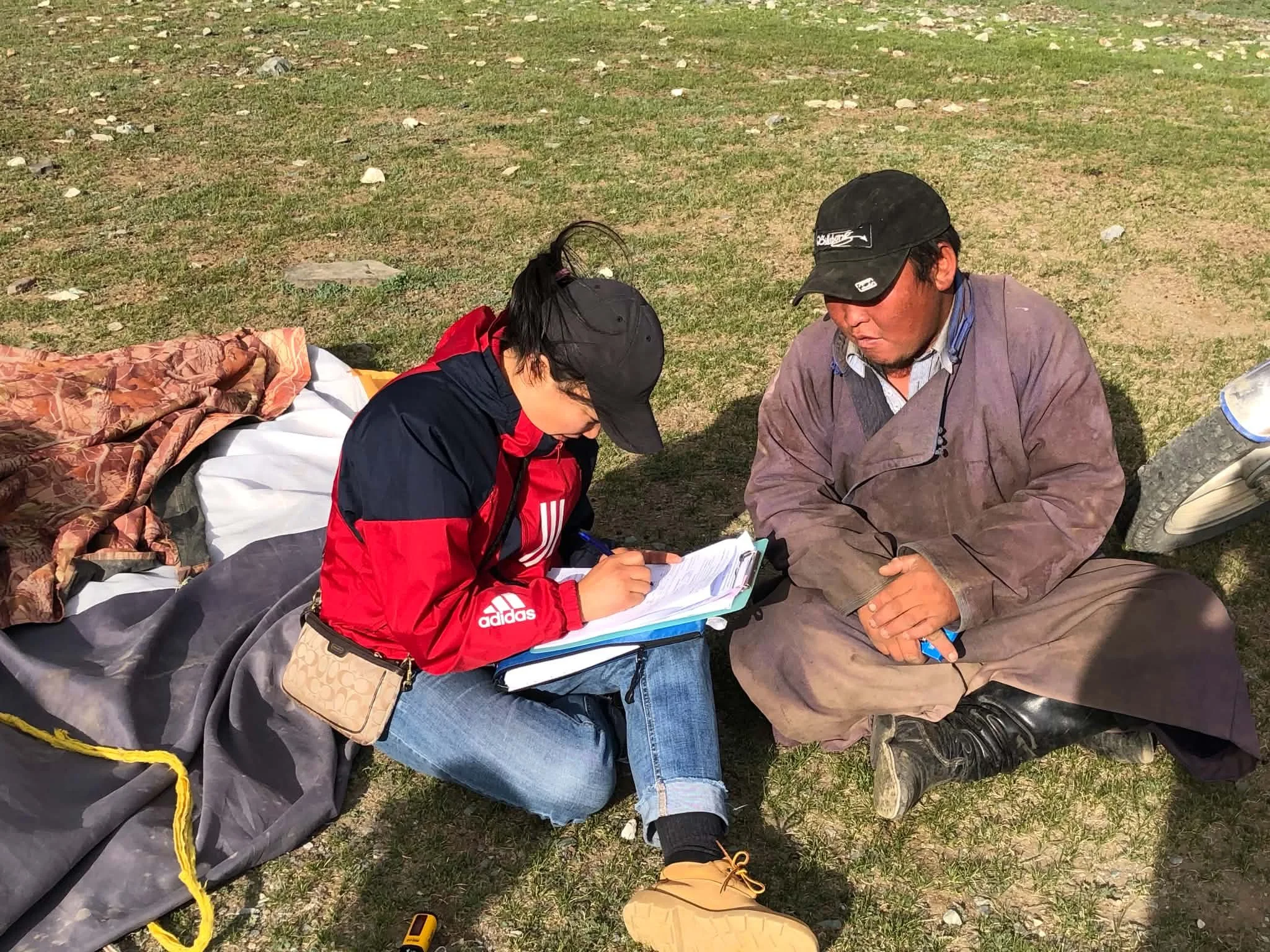
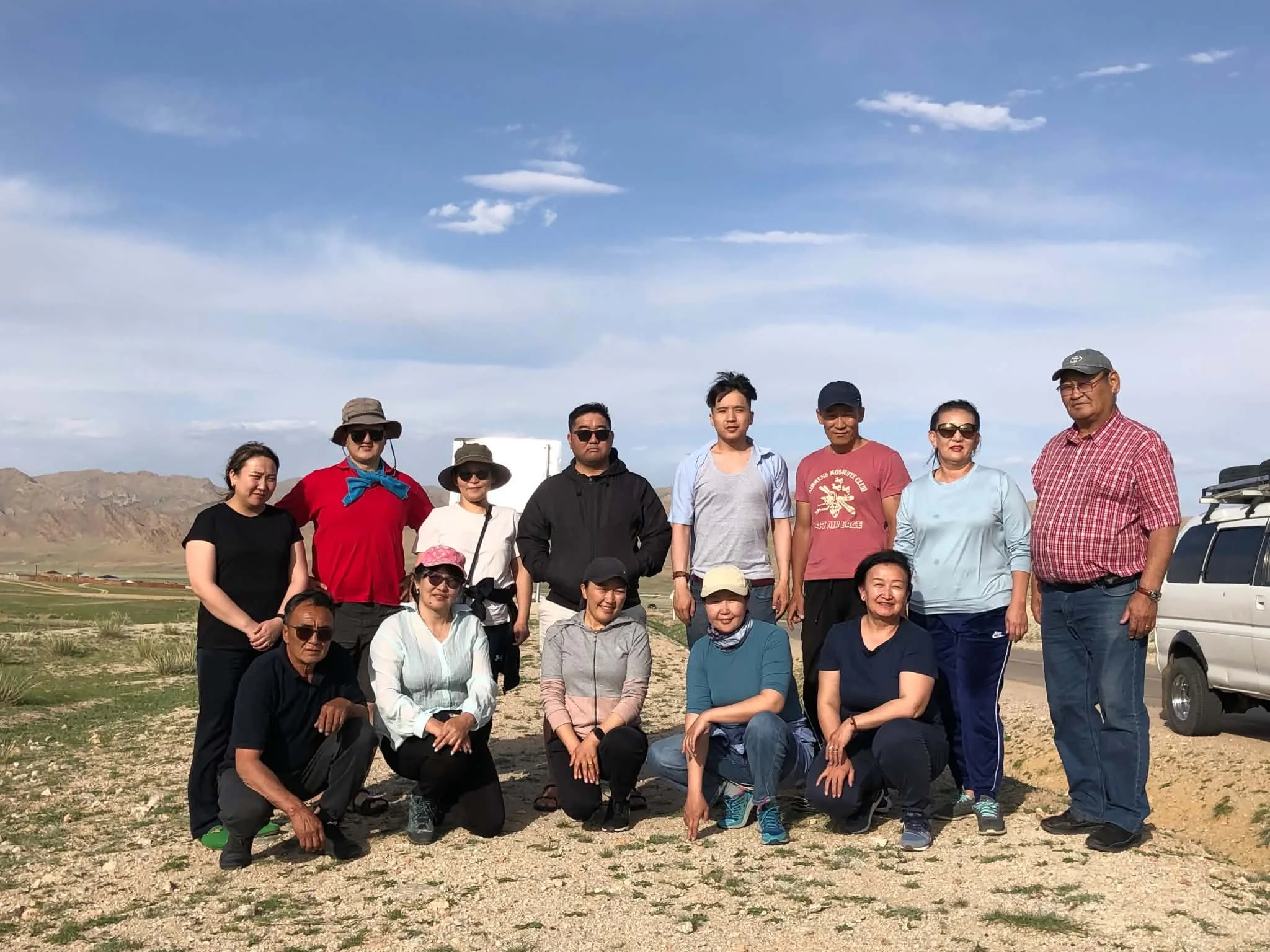
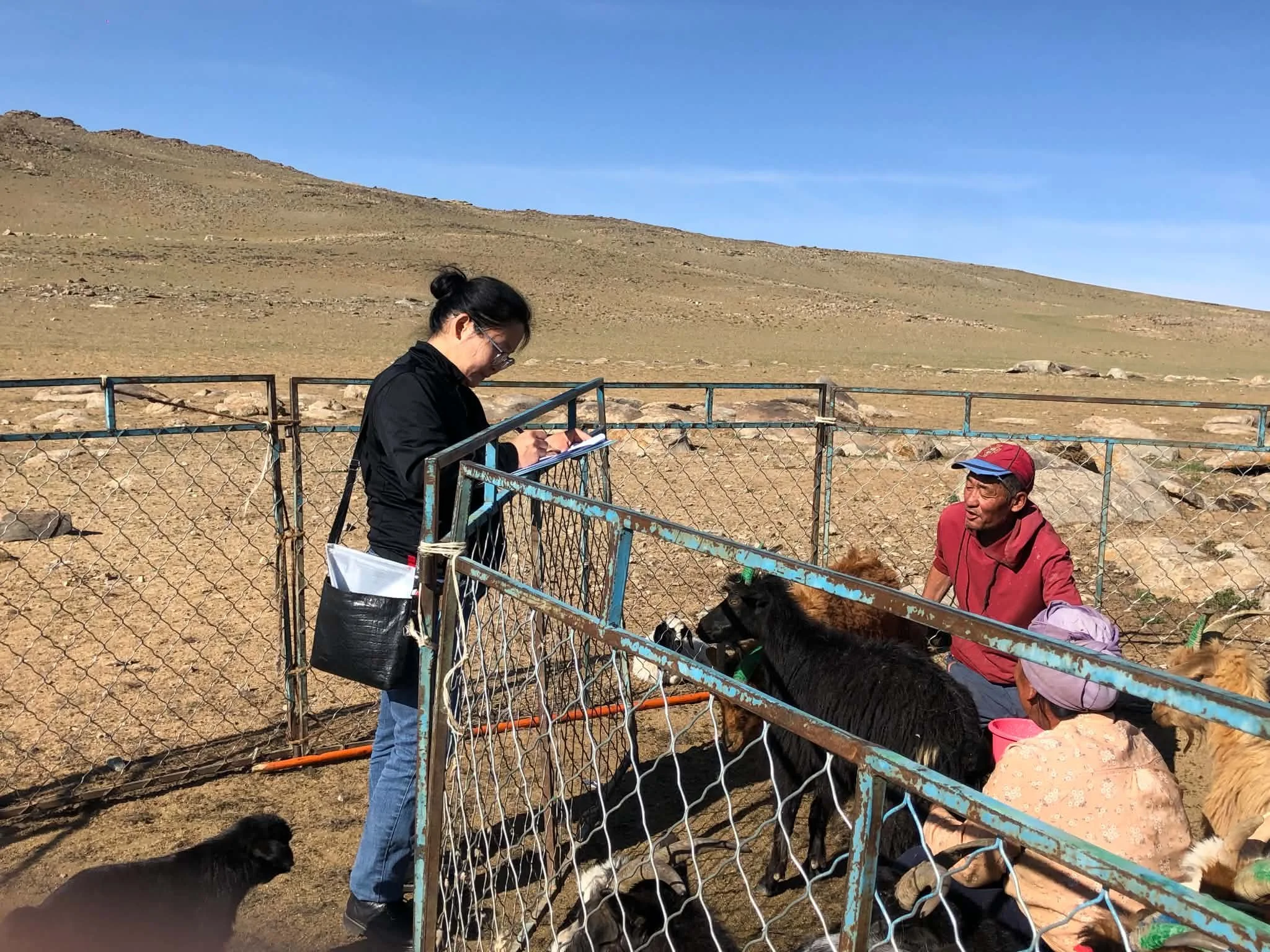
Data collection fieldwork in Mongolia
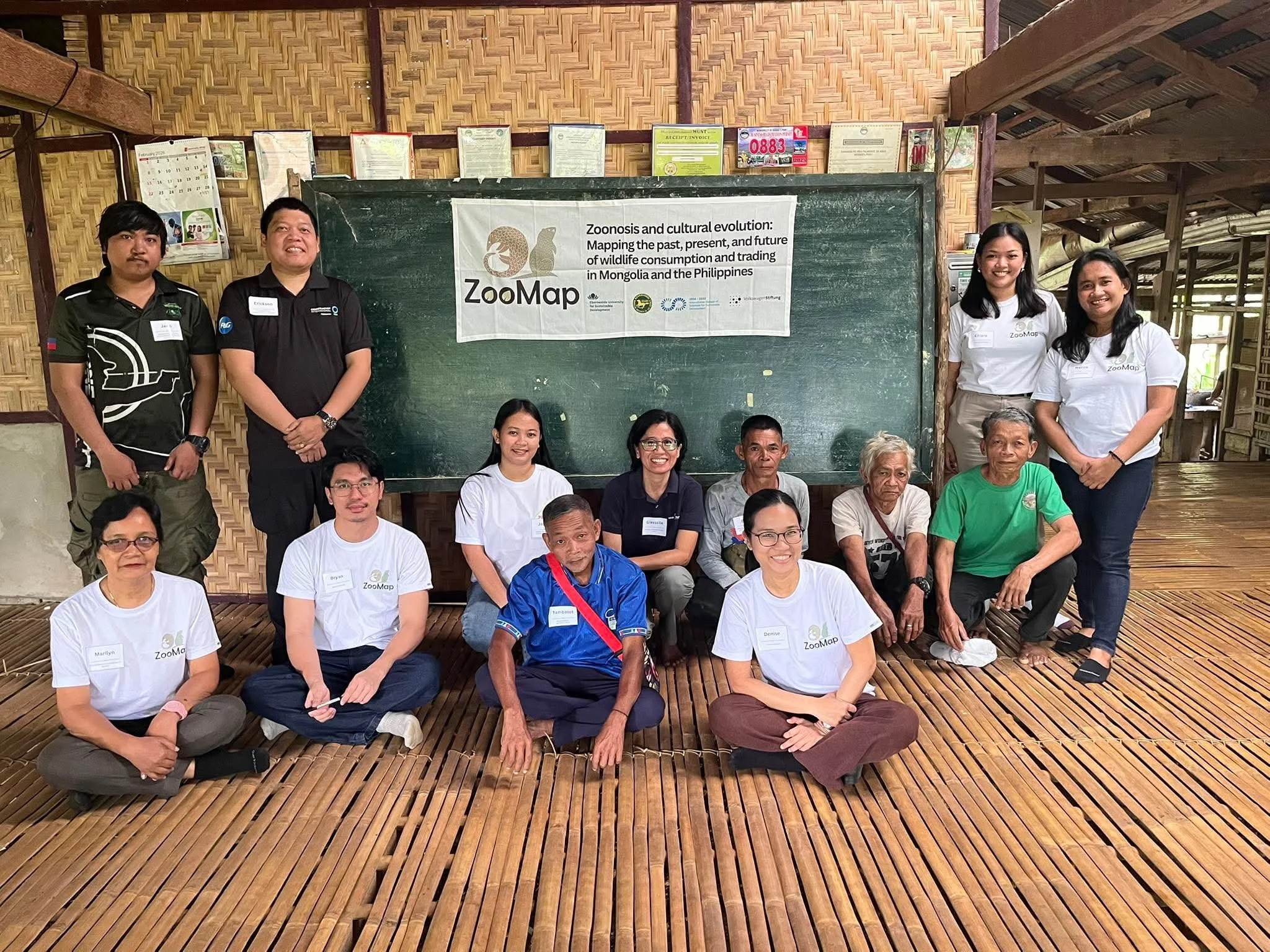
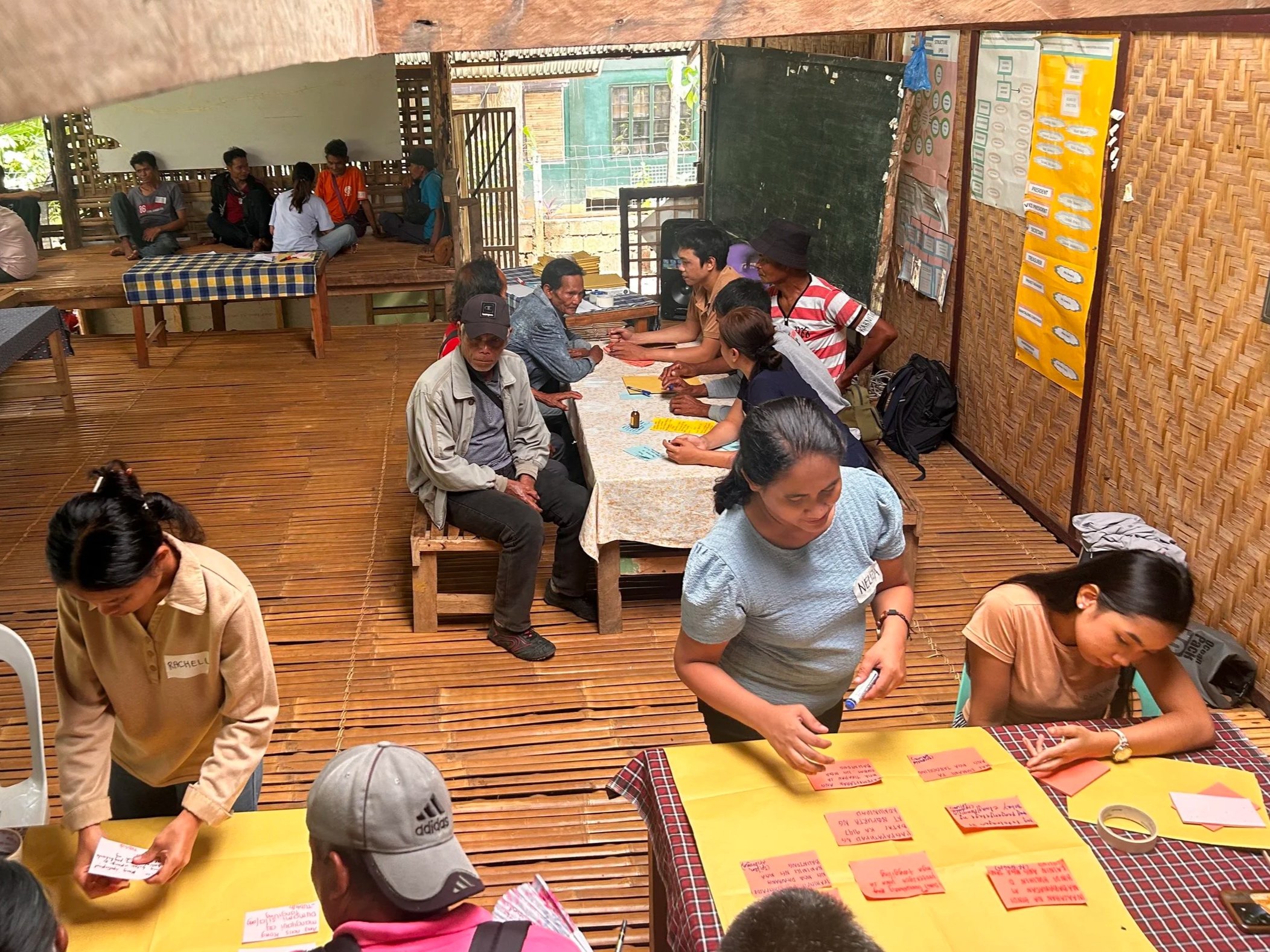
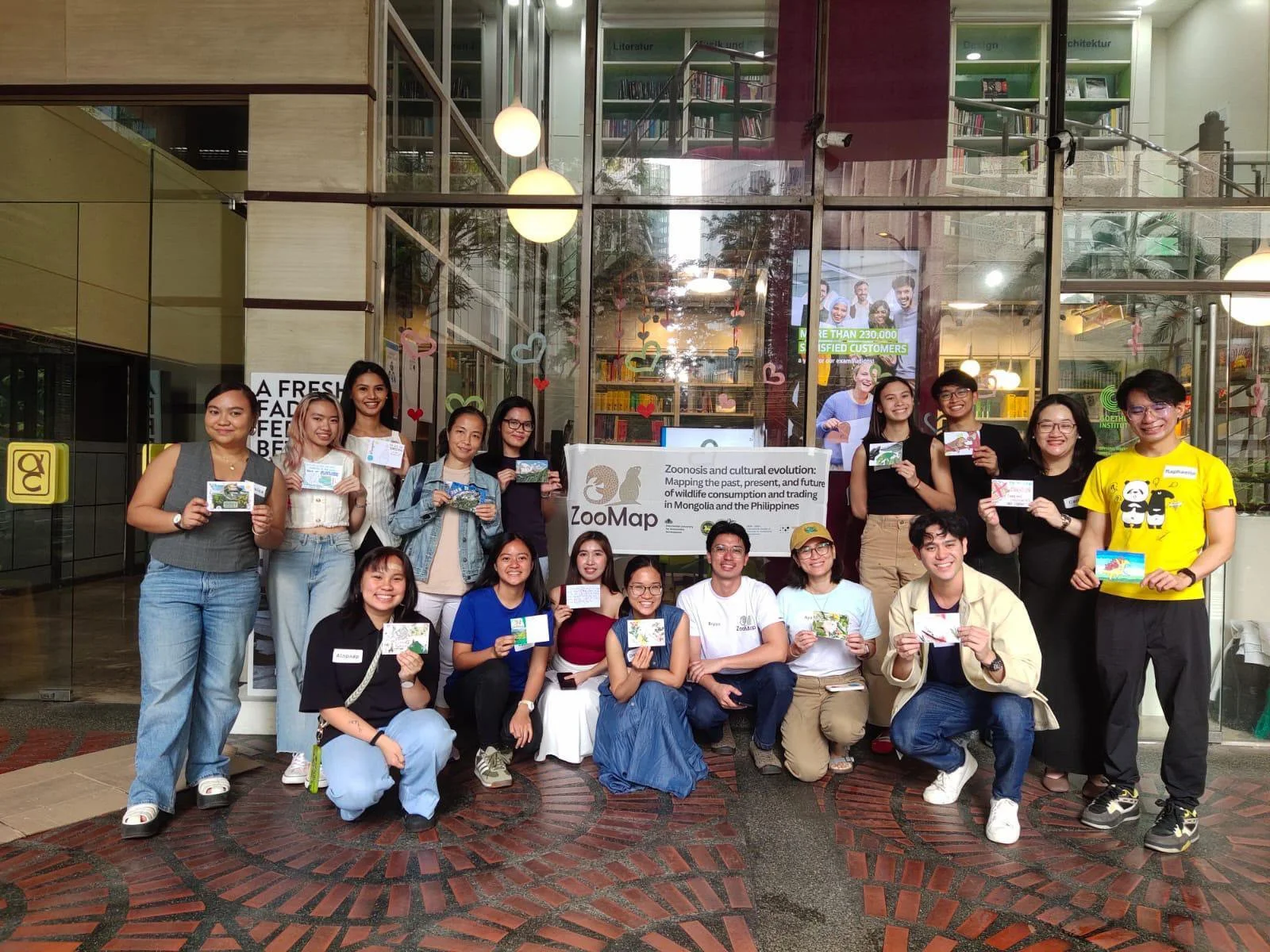
Stakeholder engagement activities in the Philippines
Work packages
Social-ecological valuation
Analysis of social and ecological values attached to the Philippine pangolin and the tarbagan marmot, and their historical and cultural evolution
Wildlife trade and decision analysis
Assessment of Indigenous and local knowledge systems on zoonoses and the cultural evolution of human-wildlife interaction with the Philippine pangolin and tarbagan marmot
Indigenous and local knowledge
Decision modelling and mapping the consumption and trade chain of the Philippine pangolin and tarbagan marmot
Scenarios and policies
Assessment of policies and conducting scenario development for the future of trade of the Philippine pangolin and consumption of the tarbagan marmot
Synthesis
Integration of knowledge and insights from the four work packages
Our logo
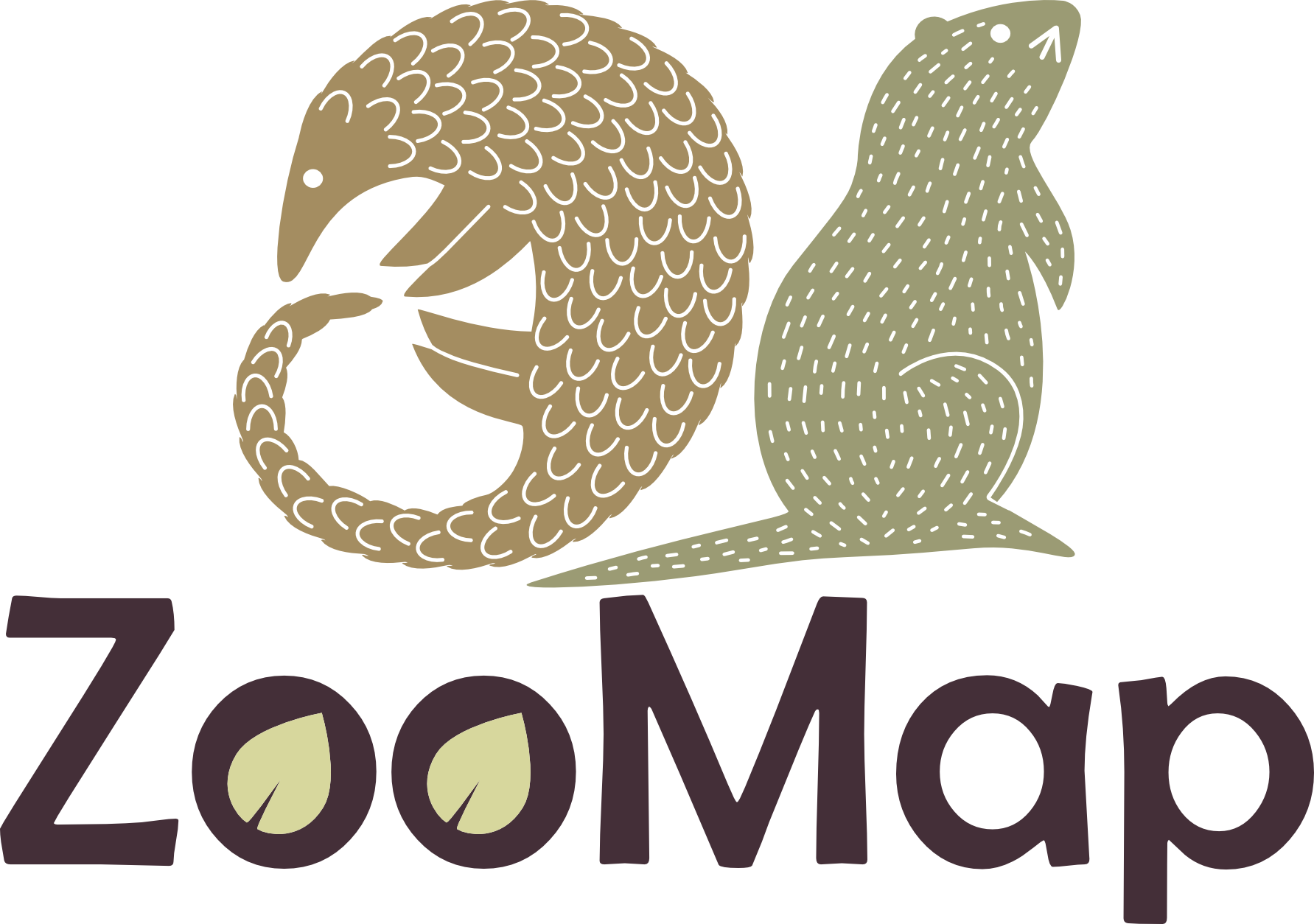
Our logo features two wildlife species central to ZooMap: the Philippine pangolin (left) and the tarbagan marmot (right). The earthy tones, hand-drawn textures, and leaf motifs incorporated into the typography represent the ecological interconnectedness and importance of biodiversity conservation.
Illustrated by Cynthia Bauzon-Arre, a Filipino graphic artist whose work advocates for forest and biodiversity conservation.